Showing 33–48 of 66 resultsSorted by popularity
-
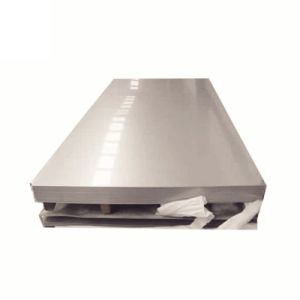
Grade 310, 310S, 310H
Grade 310 (UNS S31000) and its various subgrades combine excellent high temperature
properties with good ductility and weldability.
Grade 310H (UNS S31009) has a carbon content restricted to exclude the lower end of the 310
range, so is the grade of choice for high temperature applications.
Grade 310S (UNS S31008) is used when the application environment involves moist corrodents in
a temperature range lower than that which is normally considered “high temperature” service. The
lower carbon content of 310S does reduce its high temperature strength compared to 310H.
Grade 310L is a series of proprietary grades, generally with a 0.03% maximum carbon and
sometimes used for very specific corrosive environments such as urea production.
Like other austenitic grades the 310 family have excellent toughness, even down to cryogenic
temperatures, although other grades are normally used in sub-zero environments.
Typical Applications
Furnace parts. Oil burner parts. Carburizing boxes. Heat Treatment baskets and jigs. Heat
exchangers. Welding filler wire and electrodes.
-
Grade 310, 310S, 310H
Grade 310 (UNS S31000) and its various subgrades combine excellent high temperature
properties with good ductility and weldability.
Grade 310H (UNS S31009) has a carbon content restricted to exclude the lower end of the 310
range, so is the grade of choice for high temperature applications.
Grade 310S (UNS S31008) is used when the application environment involves moist corrodents in
a temperature range lower than that which is normally considered “high temperature” service. The
lower carbon content of 310S does reduce its high temperature strength compared to 310H.
Grade 310L is a series of proprietary grades, generally with a 0.03% maximum carbon and
sometimes used for very specific corrosive environments such as urea production.
Like other austenitic grades the 310 family have excellent toughness, even down to cryogenic
temperatures, although other grades are normally used in sub-zero environments.
Typical Applications
Furnace parts. Oil burner parts. Carburizing boxes. Heat Treatment baskets and jigs. Heat
exchangers. Welding filler wire and electrodes.
-
Grade 310, 310S, 310H
Grade 310 (UNS S31000) and its various subgrades combine excellent high temperature
properties with good ductility and weldability.
Grade 310H (UNS S31009) has a carbon content restricted to exclude the lower end of the 310
range, so is the grade of choice for high temperature applications.
Grade 310S (UNS S31008) is used when the application environment involves moist corrodents in
a temperature range lower than that which is normally considered “high temperature” service. The
lower carbon content of 310S does reduce its high temperature strength compared to 310H.
Grade 310L is a series of proprietary grades, generally with a 0.03% maximum carbon and
sometimes used for very specific corrosive environments such as urea production.
Like other austenitic grades the 310 family have excellent toughness, even down to cryogenic
temperatures, although other grades are normally used in sub-zero environments.
Typical Applications
Furnace parts. Oil burner parts. Carburizing boxes. Heat Treatment baskets and jigs. Heat
exchangers. Welding filler wire and electrodes.
-
Grade 310, 310S, 310H
Grade 310 (UNS S31000) and its various subgrades combine excellent high temperature
properties with good ductility and weldability.
Grade 310H (UNS S31009) has a carbon content restricted to exclude the lower end of the 310
range, so is the grade of choice for high temperature applications.
Grade 310S (UNS S31008) is used when the application environment involves moist corrodents in
a temperature range lower than that which is normally considered “high temperature” service. The
lower carbon content of 310S does reduce its high temperature strength compared to 310H.
Grade 310L is a series of proprietary grades, generally with a 0.03% maximum carbon and
sometimes used for very specific corrosive environments such as urea production.
Like other austenitic grades the 310 family have excellent toughness, even down to cryogenic
temperatures, although other grades are normally used in sub-zero environments.
Typical Applications
Furnace parts. Oil burner parts. Carburizing boxes. Heat Treatment baskets and jigs. Heat
exchangers. Welding filler wire and electrodes.
-
420.000,00 EGP
Grade 310, 310S, 310H
Grade 310 (UNS S31000) and its various subgrades combine excellent high temperature
properties with good ductility and weldability.
Grade 310H (UNS S31009) has a carbon content restricted to exclude the lower end of the 310
range, so is the grade of choice for high temperature applications.
Grade 310S (UNS S31008) is used when the application environment involves moist corrodents in
a temperature range lower than that which is normally considered “high temperature” service. The
lower carbon content of 310S does reduce its high temperature strength compared to 310H.
Grade 310L is a series of proprietary grades, generally with a 0.03% maximum carbon and
sometimes used for very specific corrosive environments such as urea production.
Like other austenitic grades the 310 family have excellent toughness, even down to cryogenic
temperatures, although other grades are normally used in sub-zero environments.
Typical Applications
Furnace parts. Oil burner parts. Carburizing boxes. Heat Treatment baskets and jigs. Heat
exchangers. Welding filler wire and electrodes.
-
350.000,00 EGP
Grade 310, 310S, 310H
Grade 310 (UNS S31000) and its various subgrades combine excellent high temperature
properties with good ductility and weldability.
Grade 310H (UNS S31009) has a carbon content restricted to exclude the lower end of the 310
range, so is the grade of choice for high temperature applications.
Grade 310S (UNS S31008) is used when the application environment involves moist corrodents in
a temperature range lower than that which is normally considered “high temperature” service. The
lower carbon content of 310S does reduce its high temperature strength compared to 310H.
Grade 310L is a series of proprietary grades, generally with a 0.03% maximum carbon and
sometimes used for very specific corrosive environments such as urea production.
Like other austenitic grades the 310 family have excellent toughness, even down to cryogenic
temperatures, although other grades are normally used in sub-zero environments.
Typical Applications
Furnace parts. Oil burner parts. Carburizing boxes. Heat Treatment baskets and jigs. Heat
exchangers. Welding filler wire and electrodes.
-
280.000,00 EGP
Grade 310, 310S, 310H
Grade 310 (UNS S31000) and its various subgrades combine excellent high temperature
properties with good ductility and weldability.
Grade 310H (UNS S31009) has a carbon content restricted to exclude the lower end of the 310
range, so is the grade of choice for high temperature applications.
Grade 310S (UNS S31008) is used when the application environment involves moist corrodents in
a temperature range lower than that which is normally considered “high temperature” service. The
lower carbon content of 310S does reduce its high temperature strength compared to 310H.
Grade 310L is a series of proprietary grades, generally with a 0.03% maximum carbon and
sometimes used for very specific corrosive environments such as urea production.
Like other austenitic grades the 310 family have excellent toughness, even down to cryogenic
temperatures, although other grades are normally used in sub-zero environments.
Typical Applications
Furnace parts. Oil burner parts. Carburizing boxes. Heat Treatment baskets and jigs. Heat
exchangers. Welding filler wire and electrodes.
-
266.000,00 EGP
Grade 310, 310S, 310H
Grade 310 (UNS S31000) and its various subgrades combine excellent high temperature
properties with good ductility and weldability.
Grade 310H (UNS S31009) has a carbon content restricted to exclude the lower end of the 310
range, so is the grade of choice for high temperature applications.
Grade 310S (UNS S31008) is used when the application environment involves moist corrodents in
a temperature range lower than that which is normally considered “high temperature” service. The
lower carbon content of 310S does reduce its high temperature strength compared to 310H.
Grade 310L is a series of proprietary grades, generally with a 0.03% maximum carbon and
sometimes used for very specific corrosive environments such as urea production.
Like other austenitic grades the 310 family have excellent toughness, even down to cryogenic
temperatures, although other grades are normally used in sub-zero environments.
Typical Applications
Furnace parts. Oil burner parts. Carburizing boxes. Heat Treatment baskets and jigs. Heat
exchangers. Welding filler wire and electrodes.
-
252.000,00 EGP
Grade 310, 310S, 310H
Grade 310 (UNS S31000) and its various subgrades combine excellent high temperature
properties with good ductility and weldability.
Grade 310H (UNS S31009) has a carbon content restricted to exclude the lower end of the 310
range, so is the grade of choice for high temperature applications.
Grade 310S (UNS S31008) is used when the application environment involves moist corrodents in
a temperature range lower than that which is normally considered “high temperature” service. The
lower carbon content of 310S does reduce its high temperature strength compared to 310H.
Grade 310L is a series of proprietary grades, generally with a 0.03% maximum carbon and
sometimes used for very specific corrosive environments such as urea production.
Like other austenitic grades the 310 family have excellent toughness, even down to cryogenic
temperatures, although other grades are normally used in sub-zero environments.
Typical Applications
Furnace parts. Oil burner parts. Carburizing boxes. Heat Treatment baskets and jigs. Heat
exchangers. Welding filler wire and electrodes.
-
201.600,00 EGP
Grade 310, 310S, 310H Grade 310 (UNS S31000) and its various subgrades combine excellent high temperature properties with good ductility and weldability. Grade 310H (UNS S31009) has a carbon content restricted to exclude the lower end of the 310 range, so is the grade of choice for high temperature applications. Grade 310S (UNS S31008) is…
-
Grade 310, 310S, 310H
Grade 310 (UNS S31000) and its various subgrades combine excellent high temperature
properties with good ductility and weldability.
Grade 310H (UNS S31009) has a carbon content restricted to exclude the lower end of the 310
range, so is the grade of choice for high temperature applications.
Grade 310S (UNS S31008) is used when the application environment involves moist corrodents in
a temperature range lower than that which is normally considered “high temperature” service. The
lower carbon content of 310S does reduce its high temperature strength compared to 310H.
Grade 310L is a series of proprietary grades, generally with a 0.03% maximum carbon and
sometimes used for very specific corrosive environments such as urea production.
Like other austenitic grades the 310 family have excellent toughness, even down to cryogenic
temperatures, although other grades are normally used in sub-zero environments.
Typical Applications
Furnace parts. Oil burner parts. Carburizing boxes. Heat Treatment baskets and jigs. Heat
exchangers. Welding filler wire and electrodes.
-
313.600,00 EGP
Grade 310, 310S, 310H
Grade 310 (UNS S31000) and its various subgrades combine excellent high temperature
properties with good ductility and weldability.
Grade 310H (UNS S31009) has a carbon content restricted to exclude the lower end of the 310
range, so is the grade of choice for high temperature applications.
Grade 310S (UNS S31008) is used when the application environment involves moist corrodents in
a temperature range lower than that which is normally considered “high temperature” service. The
lower carbon content of 310S does reduce its high temperature strength compared to 310H.
Grade 310L is a series of proprietary grades, generally with a 0.03% maximum carbon and
sometimes used for very specific corrosive environments such as urea production.
Like other austenitic grades the 310 family have excellent toughness, even down to cryogenic
temperatures, although other grades are normally used in sub-zero environments.
Typical Applications
Furnace parts. Oil burner parts. Carburizing boxes. Heat Treatment baskets and jigs. Heat
exchangers. Welding filler wire and electrodes.
-
241.920,00 EGP
Grade 310, 310S, 310H
Grade 310 (UNS S31000) and its various subgrades combine excellent high temperature
properties with good ductility and weldability.
Grade 310H (UNS S31009) has a carbon content restricted to exclude the lower end of the 310
range, so is the grade of choice for high temperature applications.
Grade 310S (UNS S31008) is used when the application environment involves moist corrodents in
a temperature range lower than that which is normally considered “high temperature” service. The
lower carbon content of 310S does reduce its high temperature strength compared to 310H.
Grade 310L is a series of proprietary grades, generally with a 0.03% maximum carbon and
sometimes used for very specific corrosive environments such as urea production.
Like other austenitic grades the 310 family have excellent toughness, even down to cryogenic
temperatures, although other grades are normally used in sub-zero environments.
Typical Applications
Furnace parts. Oil burner parts. Carburizing boxes. Heat Treatment baskets and jigs. Heat
exchangers. Welding filler wire and electrodes.
-
Grade 310, 310S, 310H
Grade 310 (UNS S31000) and its various subgrades combine excellent high temperature
properties with good ductility and weldability.
Grade 310H (UNS S31009) has a carbon content restricted to exclude the lower end of the 310
range, so is the grade of choice for high temperature applications.
Grade 310S (UNS S31008) is used when the application environment involves moist corrodents in
a temperature range lower than that which is normally considered “high temperature” service. The
lower carbon content of 310S does reduce its high temperature strength compared to 310H.
Grade 310L is a series of proprietary grades, generally with a 0.03% maximum carbon and
sometimes used for very specific corrosive environments such as urea production.
Like other austenitic grades the 310 family have excellent toughness, even down to cryogenic
temperatures, although other grades are normally used in sub-zero environments.
Typical Applications
Furnace parts. Oil burner parts. Carburizing boxes. Heat Treatment baskets and jigs. Heat
exchangers. Welding filler wire and electrodes.
-
85,00 EGP
Grade 304 is the most commonly used stainless steel. It is an austenitic, corrosion-resistant steel with excellent strength, toughness, fabrication characteristics and weldability. The low carbon version, 304L, may be required for full corrosion resistance when thicker sections are welded.
Typical Applications For 304 Stainless Steel
Brewing and dairy equipment, evaporators, drums, barrels, heat exchangers, hospital equipment, refrigeration parts, chemical and food processing, shop fittings, bench tops, kitchens, kitchen utensils, sinks, wash troughs, urinals, hand rails, dishwashers, clothes dryers, ovens, heating trays, air conditioning equipment, guttering and rain water goods, counters and display cabinets, hot and cold food bars, commercial oven hoods, beer barrels.
-
85,00 EGP
Grade 304 is the most commonly used stainless steel. It is an austenitic, corrosion-resistant steel with excellent strength, toughness, fabrication characteristics and weldability. The low carbon version, 304L, may be required for full corrosion resistance when thicker sections are welded.
Typical Applications For 304 Stainless Steel
Brewing and dairy equipment, evaporators, drums, barrels, heat exchangers, hospital equipment, refrigeration parts, chemical and food processing, shop fittings, bench tops, kitchens, kitchen utensils, sinks, wash troughs, urinals, hand rails, dishwashers, clothes dryers, ovens, heating trays, air conditioning equipment, guttering and rain water goods, counters and display cabinets, hot and cold food bars, commercial oven hoods, beer barrels.